The Tech-Stack for the Software-Of-One: When JavaScript and SQLite Are All You Need
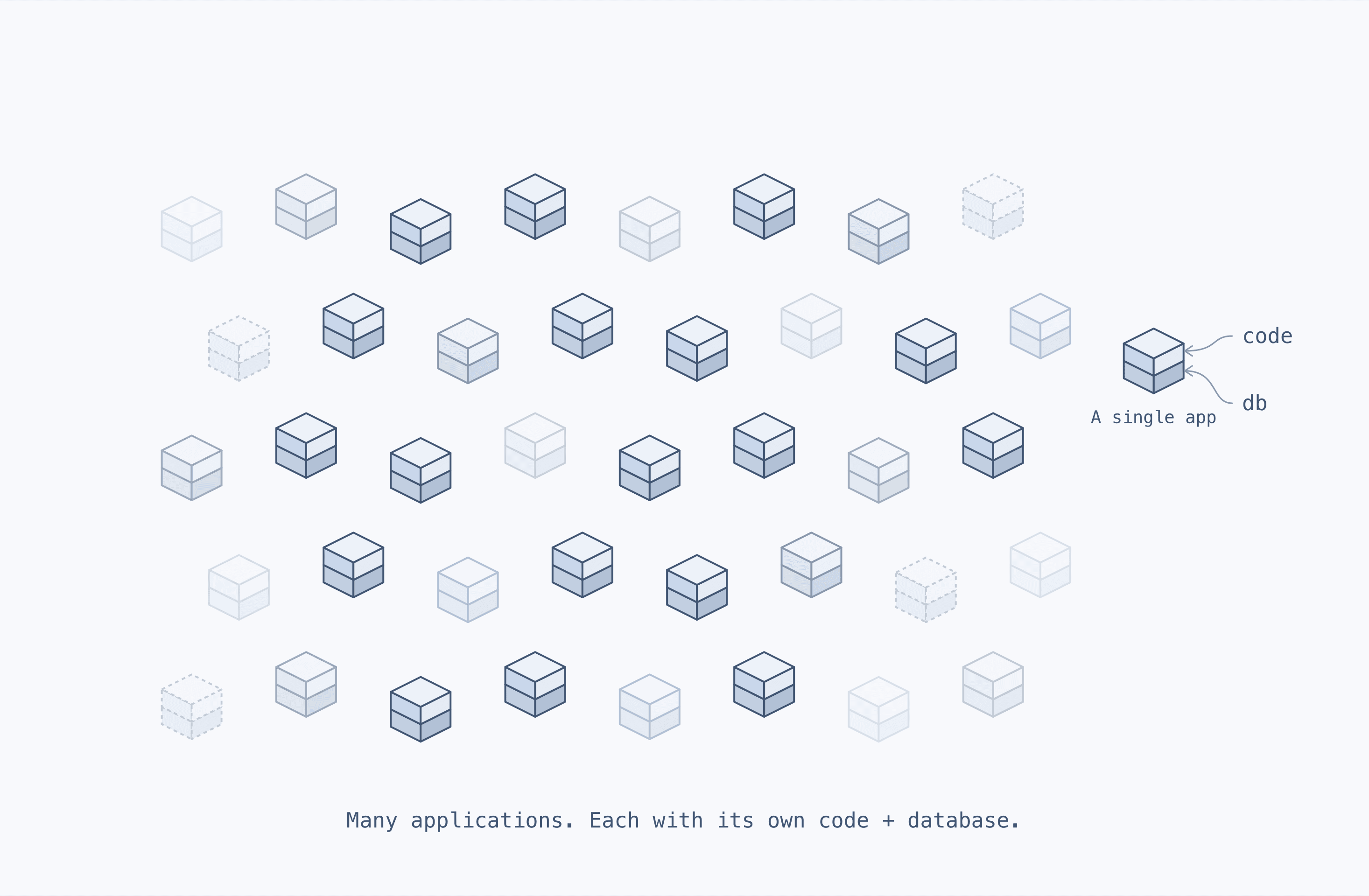
AI lets anyone build software around their own needs, and for these personal apps, JavaScript and SQLite go surprisingly far.
Matthias Lübken · 7 min read

Work
Projects, articles, and events about building software with AI.
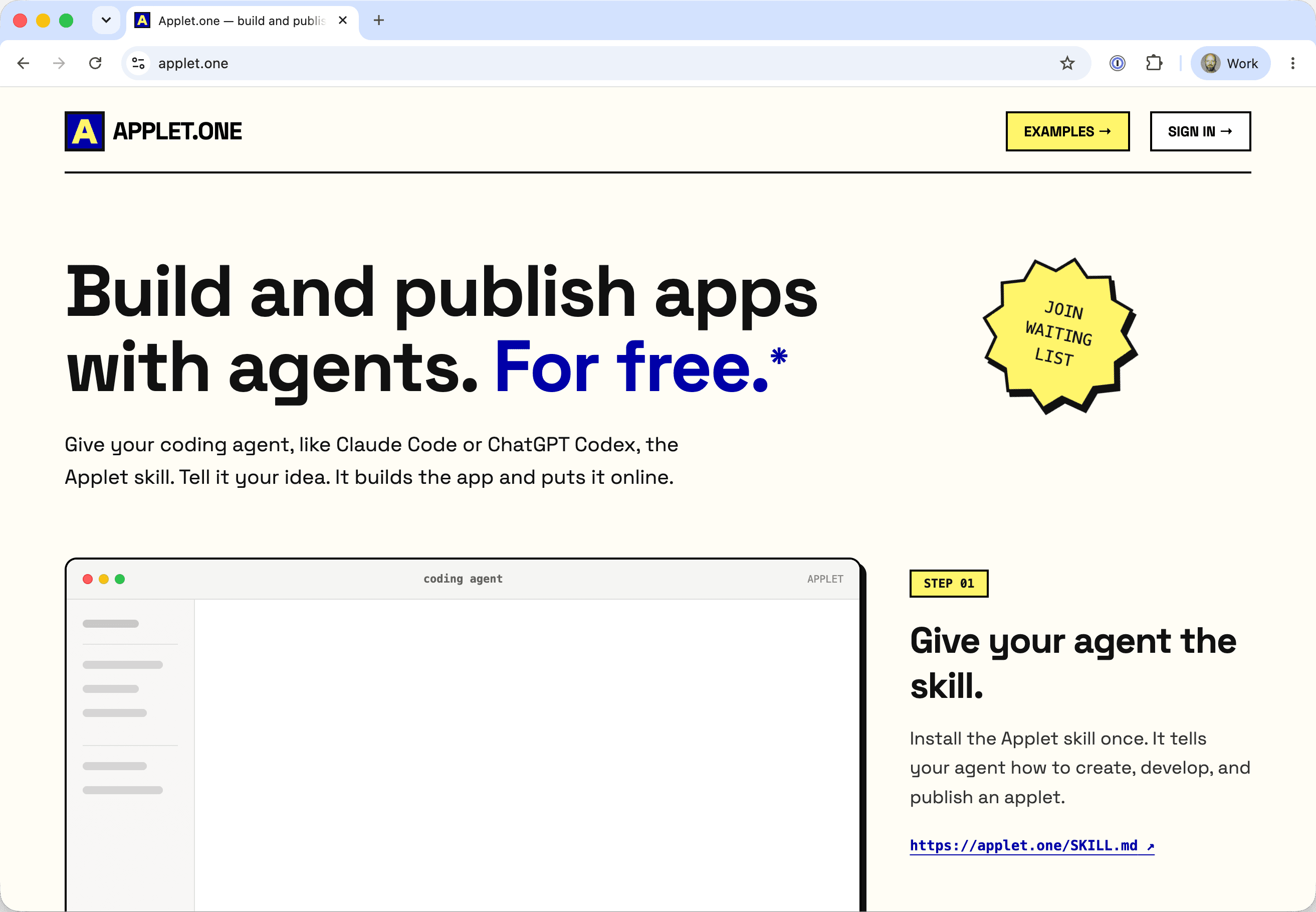
Bring your coding agent and an idea. Build an app, put it online, and see what happens.
Applet.one · Product
On the calendar
Webinars, conference talks, and hands-on workshops. Join us live.
Jump to past events
Building in-house business applications with AI. Join the regional KI-Stammtisch for practical insights, conversation, and networking with small and medium-sized businesses. Attendance is free.
Turn individual AI wins into shared apps the whole product team can use. Using feature-request triage, this webinar traces the path from chat to agent to shared app—and tackles the hard part: agreeing on one way of working. For product managers already building with AI who want others to use what they have built. 17:00–18:00 CET; free to attend.
How platform teams can enable colleagues to build small, focused apps with AI while retaining oversight. A Tavon demonstration covering centrally controlled data access, app ownership, approvals, and monitoring. 18:00–19:00 CET; free to attend.

Eigene Prozesse. Eigene Anwendungen. KI, die wirklich zum Unternehmen passt. Ein praxisorientierter Workshop zur Konzeption und prototypischen Umsetzung eigener KI-Anwendungen – von der Prozessanalyse bis zur nachhaltigen Verankerung im Unternehmen. 14:00–18:00 Uhr. Teilnahmegebühr: 490 €; Early Bird: 390 € bis vier Wochen vor der Veranstaltung.
A practical introduction to building small business apps with AI, without traditional software development. For managers, leaders, and entrepreneurs. 13:00–14:00 CET; free for members, €10 for guests. This live event will not be recorded.
Eigene Prozesse. Eigene Anwendungen. KI, die wirklich zum Unternehmen passt. Ein praxisorientierter Workshop zur Konzeption und prototypischen Umsetzung eigener KI-Anwendungen – von der Prozessanalyse bis zur nachhaltigen Verankerung im Unternehmen. 14:00–18:00 Uhr. Teilnahmegebühr: 490 €; Early Bird: 390 € bis vier Wochen vor der Veranstaltung.
From the archive
Catch up on the ideas, conversations, and lessons we’ve shared. Recordings and recaps are linked where available.

How software factories can safely produce and operate small applications for one person, workflow, or decision — with shared data, secure capabilities, governance, and a path from creation to retirement.
Turn individual AI wins into shared apps the whole product team can use. A deep dive into the journey from chat to agent to app, and the challenge of agreeing on a shared way of working.
A technical look at running AI-built apps with Durable Objects and celld cells, keeping each app’s logic and state together in an isolated runtime. Explore the challenges of operating thousands of apps and the Kubernetes backbone Tavon has built to address them. 18:00–19:00 CET; free to attend.
From an everyday business task to a shared app: practical examples of how employees can build small AI-powered tools with centrally managed data access and clear permissions.
Explore the agent loop, runtime, tools, instructions, and lifecycle hooks behind pi.dev, using a quote-generation agent to show how a coding agent becomes part of a real product.
The architecture behind a long tail of small, task-specific applications: isolated compute, durable state, secure capabilities, and enterprise guardrails built into the software factory.
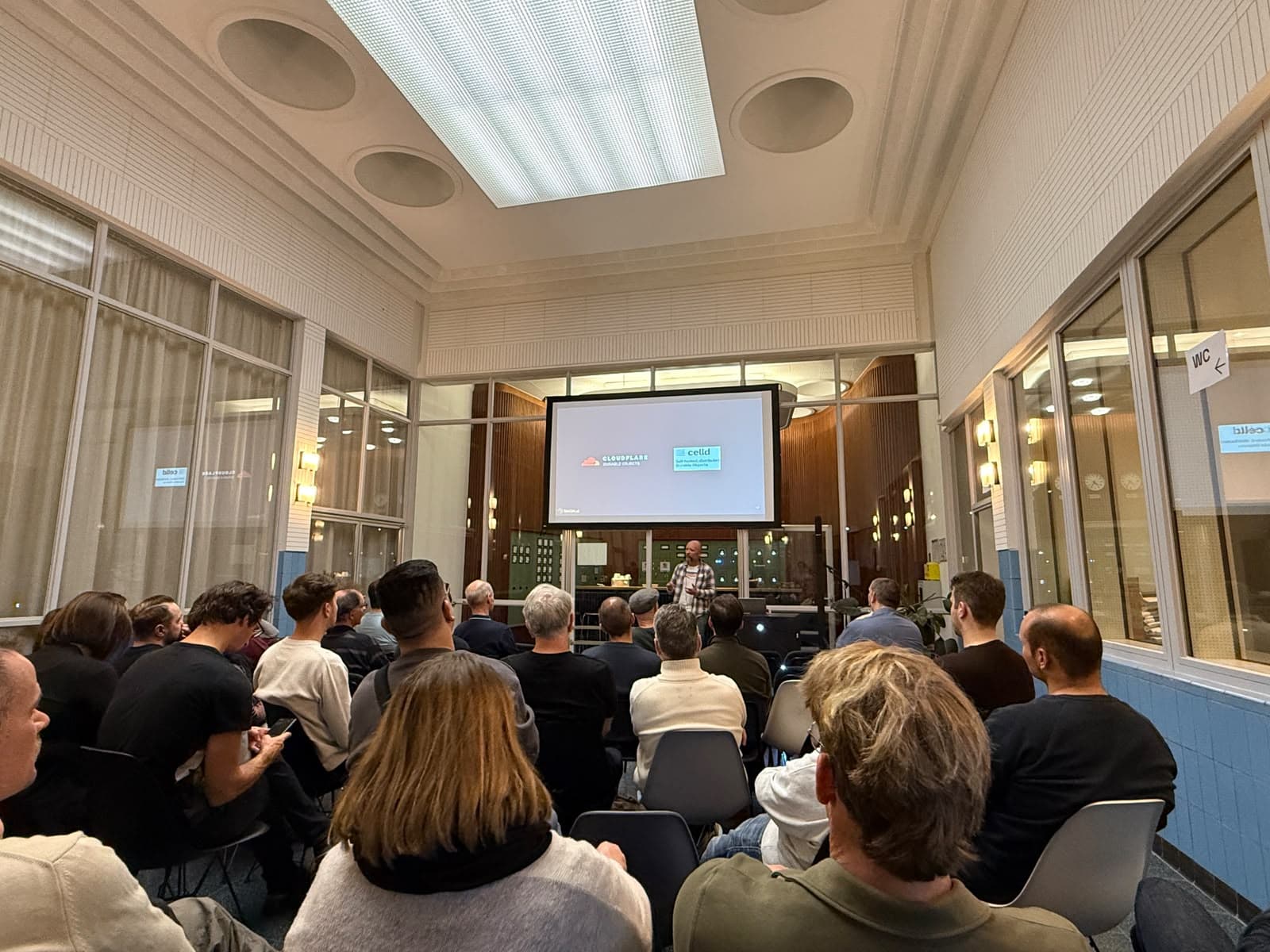
How AI enables small, tailored applications for one person, one workflow, or a temporary task — and how a software factory makes these solutions practical alongside shared software.
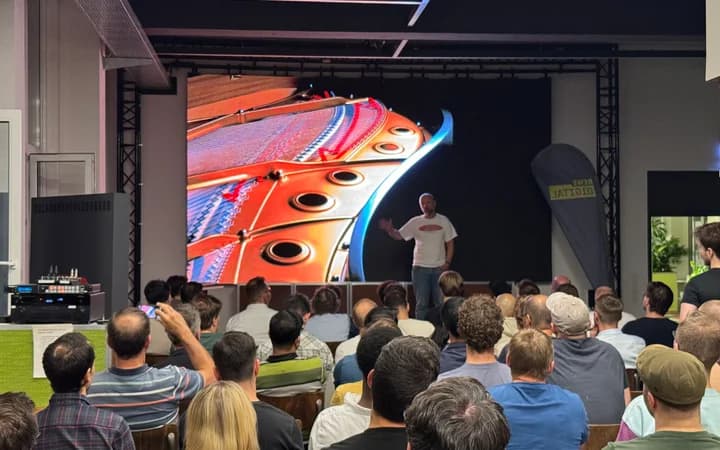
A live demo on the architecture behind internal apps for the software of one, presented at AI Tinkerers Cologne’s code-first meetup hosted by REWE digital.
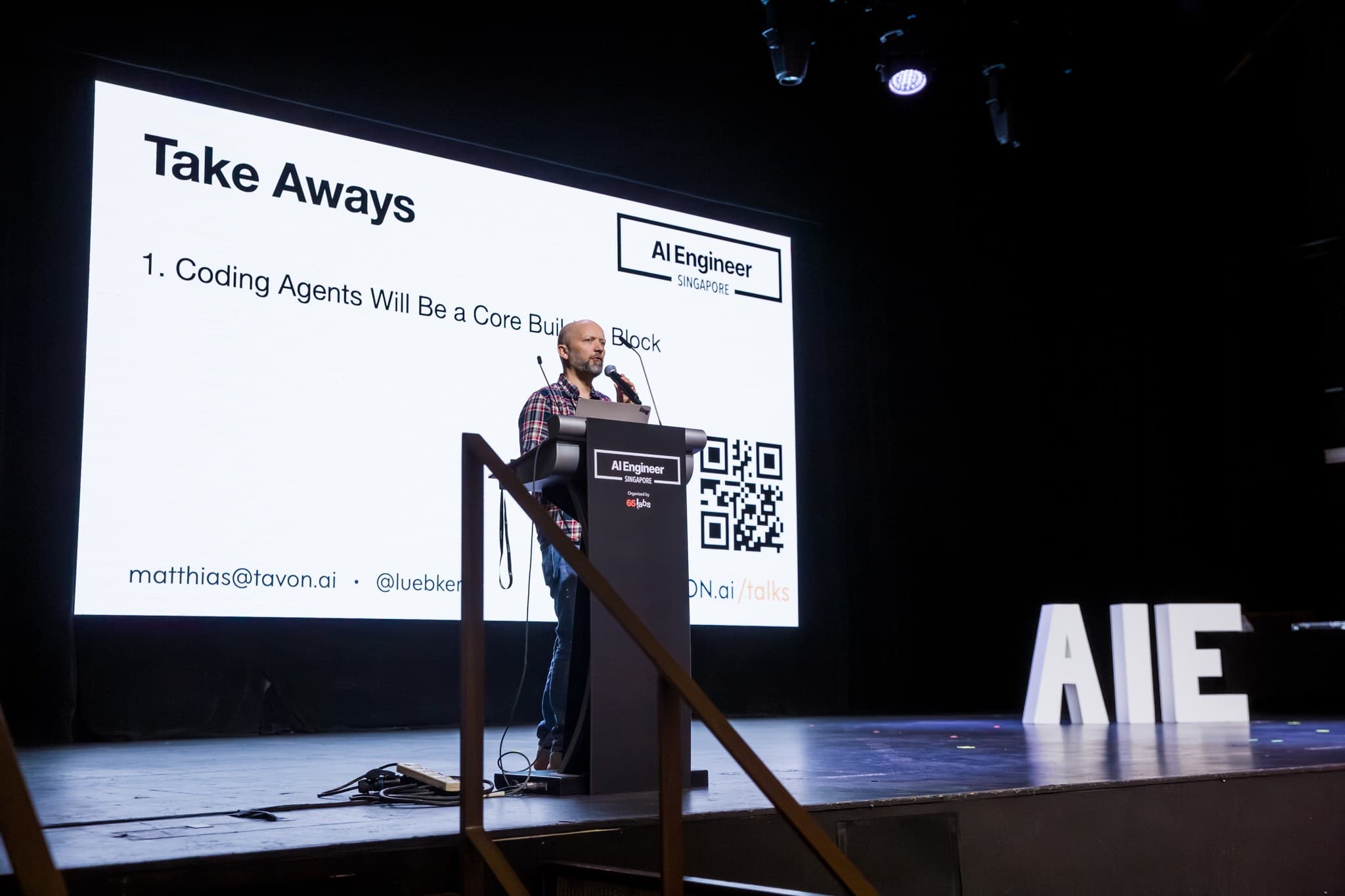
A look inside coding-agent harnesses and how their core primitives can power agents in real products.
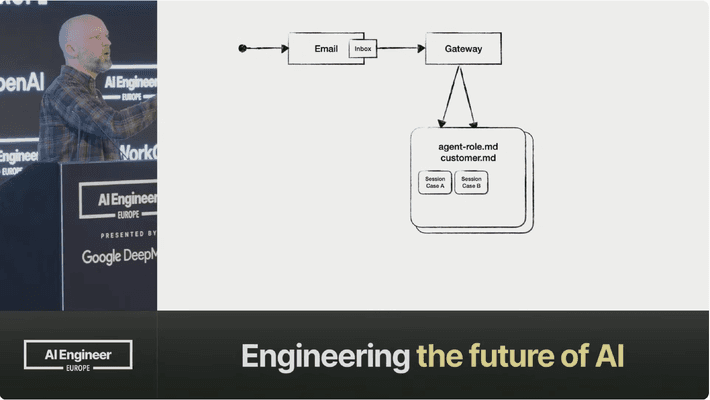
Building more reliable agents through better tool design, clear context, and a malleable coding-agent harness.
